
We make a difference with digitalisation and IoT. Periodic services increase the reliability of your systems. ITM (inspection, testing and maintenance) is carried out to NFPA standards.
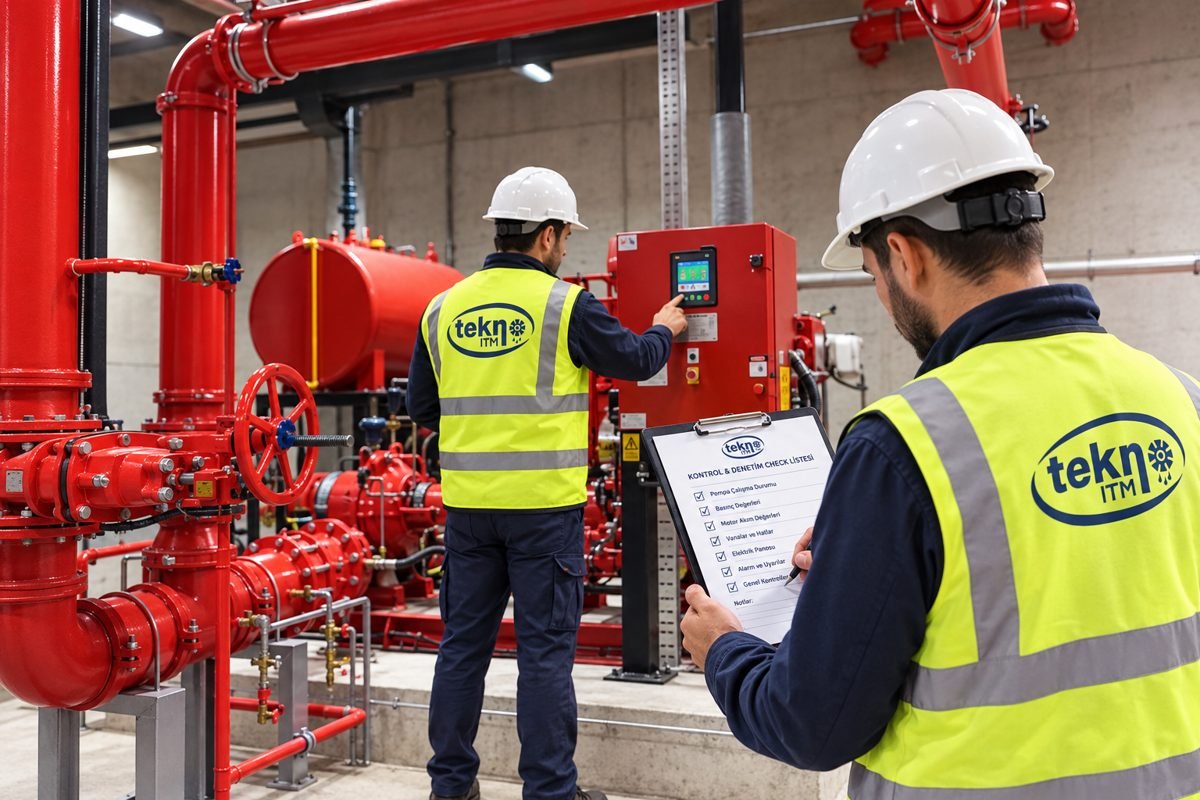

What our ITM service covers
Periodic inspection, testing and maintenance, plus heavy maintenance and repair when required, based on NFPA and FM Global requirements:
- Automatic fire sprinkler systems: wet pipe, dry pipe, deluge and pre-action, including alarm, deluge and dry valves
- OS&Y valves and other control valves
- Fire hydrants and fire hoses
- Kitchen hood fire suppression systems
- Gas suppression systems
- Fire detection and alarm systems
- Fire pumps and fire pump controllers
- Smoke and heat exhaust ventilation systems (SHEVS)
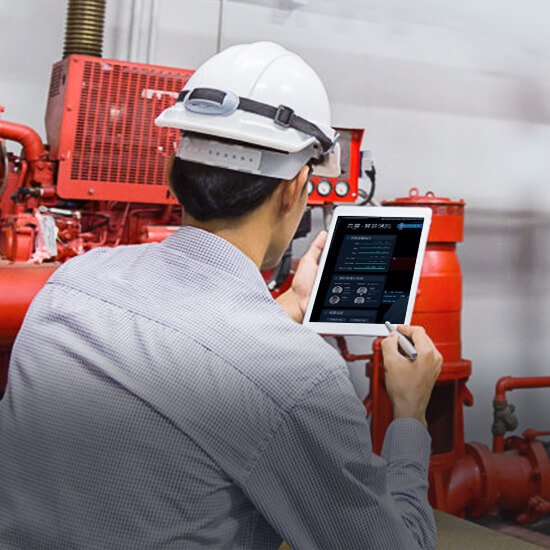
Digital records with QR codes: we have started digitising ITM, so equipment can be identified by QR code and inspection, test and repair history is kept in a digital record for each system.
Hotel fire protection maintenance across Turkey: Hilton group
We provide periodic ITM (inspection, testing and maintenance, NFPA 25) of fire protection systems for hotels of the Hilton group across Turkey, including Hilton, DoubleTree by Hilton, Hilton Garden Inn and Hampton by Hilton.
Cities served include Istanbul, Ankara, İzmir, Adana, Mersin, Antalya, Konya, Bolu, Isparta, Çanakkale, Balıkesir, Kütahya, Safranbolu, Mardin and Şanlıurfa, and other cities in Turkey.
Hotels need fire systems that are ready at all times: guests sleep, and many people are unfamiliar with the building. A single team that works to one standard in every city makes records, reports and response times consistent from hotel to hotel. Read more on our references page.
The role of IoT in fire protection systems
- Better safety through real-time monitoring and automatic responses
- Cost savings through predictive maintenance and fewer false alarms
- Easier processes with integrated building management and fire safety systems
- Tailored risk management through data analytics
The Internet of Things (IoT) is a network of physical objects that are connected to the internet and can communicate with each other in the cloud. Smart fire protection systems are active systems that monitor environmental conditions automatically with sensors and warn people in real time. They improve response times and the overall safety of the building.
Real-time monitoring and alerts
IoT lets fire protection systems monitor conditions in the building continuously. Advanced sensors detect changes in temperature, smoke level, air quality and carbon monoxide and analyse them for possible hazards. When a possible fire is detected, building owners, the maintenance team, occupants and emergency services can be alerted. People can then be evacuated safely, authorised staff can respond quickly, and the fire is stopped from spreading and causing serious damage.
Predictive maintenance and analytics
IoT is not only about reacting quickly to fire; it also does predictive maintenance on equipment and can find problems before a fault occurs, even before regular inspections. For example, if a smoke detector's sensitivity drops, the system can warn maintenance staff before it fails.
Integration with building management systems
IoT-enabled fire protection systems integrate with building management systems so they can respond to a fire automatically. If a fire is detected in an office building, the system can:
- Activate extinguishing systems, such as sprinklers, in the affected zones
- Shut down HVAC systems to stop smoke spreading
- Switch on emergency lighting and alarms
- Unlock emergency exits
- Send lift cars to the ground floor and take them out of service